
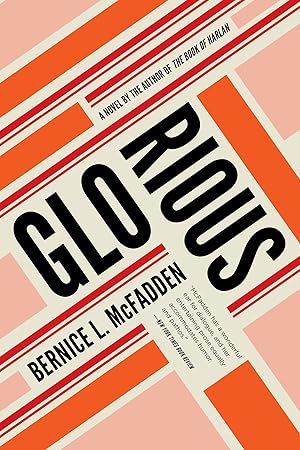
Glorious
By Bernice McFadden
A Brilliant Tribute to the Unsung Voices of the Harlem Renaissance

Glorious by Bernice L. McFadden follows Easter Bartlett, a young writer carving out her place during the Harlem Renaissance. Her story blends ambition, hardship, and the pursuit of creative independence amid a rapidly changing cultural moment.
Through Easter’s eyes, we witness the challenges of being a Black woman writer in an era that both celebrated Black art and simultaneously denied its creators the recognition they deserved. McFadden grounds the story in real history, creating a narrative that feels both intimate and expansive.
Key Themes
A central theme in the book is the struggle for visibility—especially for Black women artists. Easter’s efforts to have her work acknowledged reflect a broader conversation about whose stories are valued and whose are erased.
The novel also explores the tension between personal identity and public expectation. Issues of gender inequity, racial barriers, and the emotional weight of perseverance shape Easter’s journey and deepen the novel’s historical resonance.
Characters
Easter Bartlett stands out as a determined, passionate, and deeply human protagonist. Her evolution captures the emotional highs and lows of pursuing a creative life in a world determined to silence her.
Supporting characters—many inspired by real Harlem Renaissance figures like Nella Larsen, Zora Neale Hurston, and Langston Hughes—help animate Easter’s world. Their presence grounds the narrative in a recognizable cultural landscape and enriches Easter’s personal and artistic development.
Writing Style
Bernice L. McFadden writes with vivid detail, making historical settings feel immediate and alive. Her ability to weave historical figures into fiction creates an immersive, emotionally charged reading experience.
The pacing balances reflective moments with forward momentum, and the dialogue feels grounded in the era without becoming heavy or academic. McFadden brings warmth and clarity to complex themes, keeping readers engaged from scene to scene.
Personal Thoughts
The transcript makes it clear how deeply this story resonates, and I felt that too. Easter’s determination and the authenticity of her struggles struck a powerful emotional chord. It’s the kind of book that lingers long after the final chapter.
What moved me most was how McFadden honors the legacy of Black women writers whose voices were dismissed or lost. The story feels like both a tribute and a reminder of how much brilliance has gone unrecognized. It’s a book that stays with you.
Rating & Recommendation
I’d give Glorious a strong 5 out of 5 stars. Readers who enjoy historical fiction, women-centered narratives, or stories grounded in Black cultural history will find so much to appreciate here.
This is an excellent pick for anyone exploring the Harlem Renaissance or seeking powerful fiction by Black women authors. It’s accessible for newcomers to the genre and rewarding for seasoned historical fiction lovers.
Join the Conversation
Have you read Glorious? Drop your thoughts in the comments and let’s talk about your favorite moments. And be sure to join the Lex Reads Book Club so we can continue celebrating Black stories together.
Leave a Reply